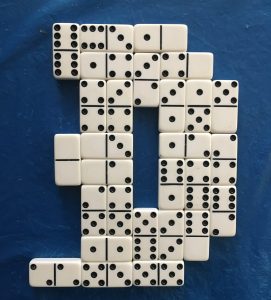
Luoshu embedded

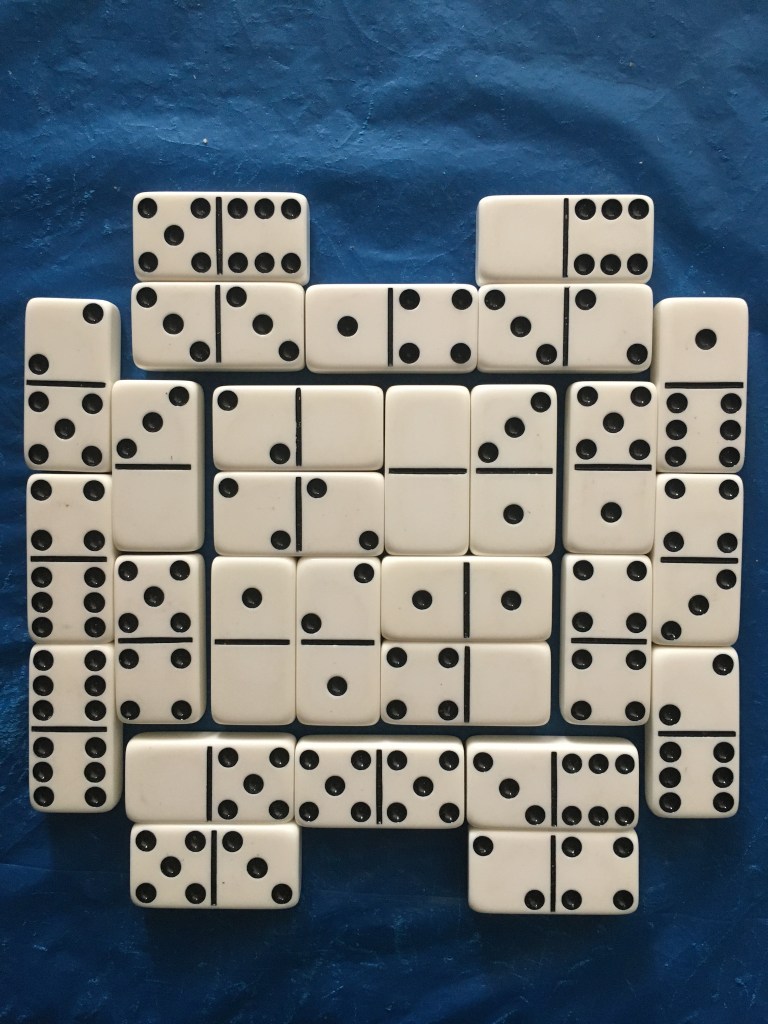
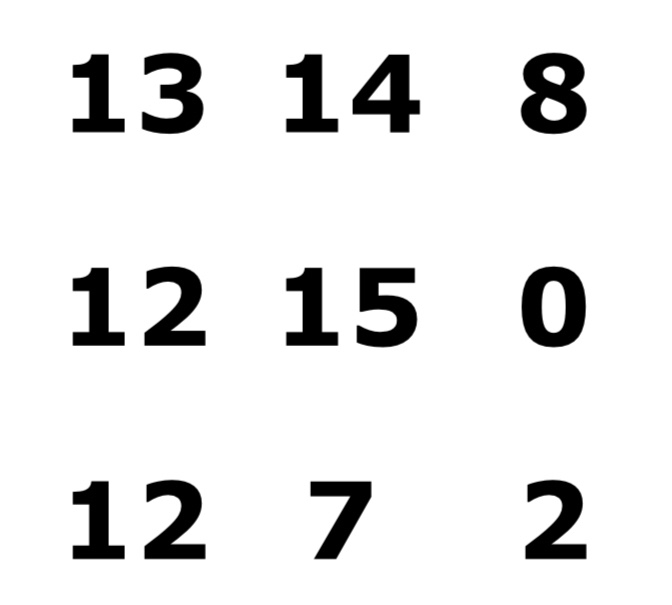
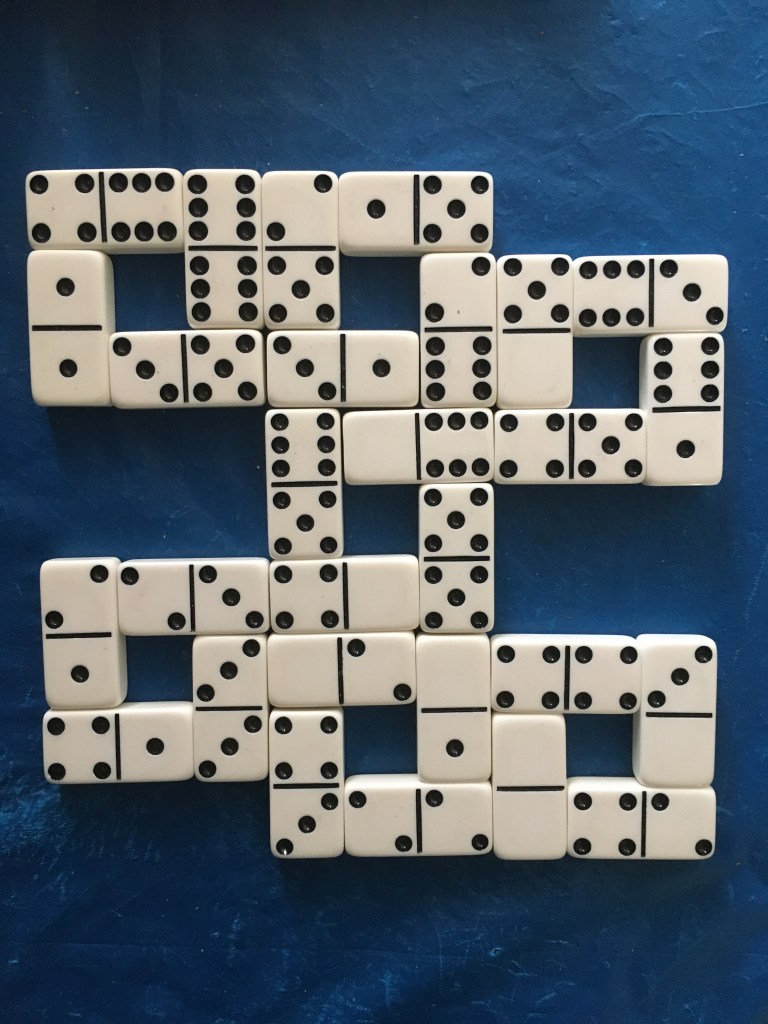
I want you to look at the rectangle in the middle of the board. It looks like rectangle, but it can be a square if you count tiles in it, 3 horizontally, and 3 vertically in each row and column. Can you see it ? Now, count pips in every row, column and diagonals of EVERY tile, not its halves. You will get exactly 15 pips. It is famous Luoshu Magic Square of order 3×3.
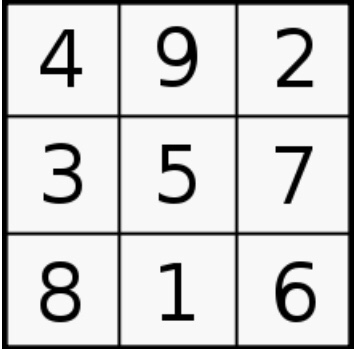
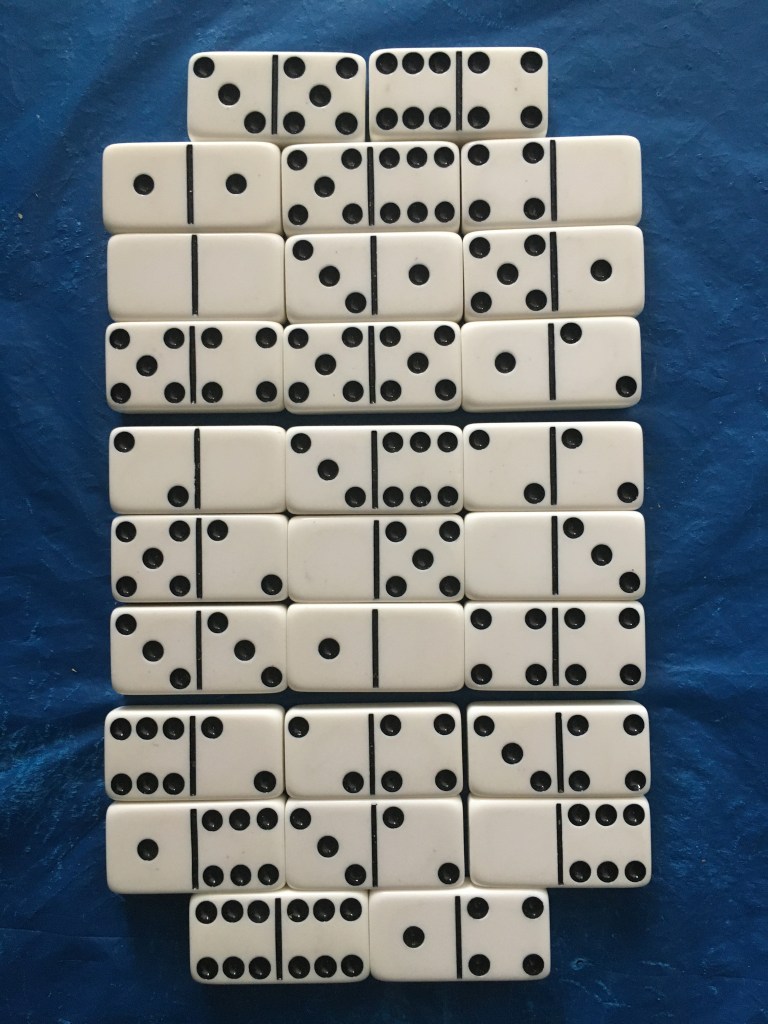
Original Luoshu Magic Square
Dominosated Loushu

Left to right and back

Learn how to scan your puzzle. From left to right, and instead of moving your eyes back to the left side, continue scanning the next line from right to left. It will speed up your scanning.

Cross Checking – to make sure your scanning was correct, now scan thru columns, down, up and continue the same way suggested for horizontal scanning.

Approach the puzzle

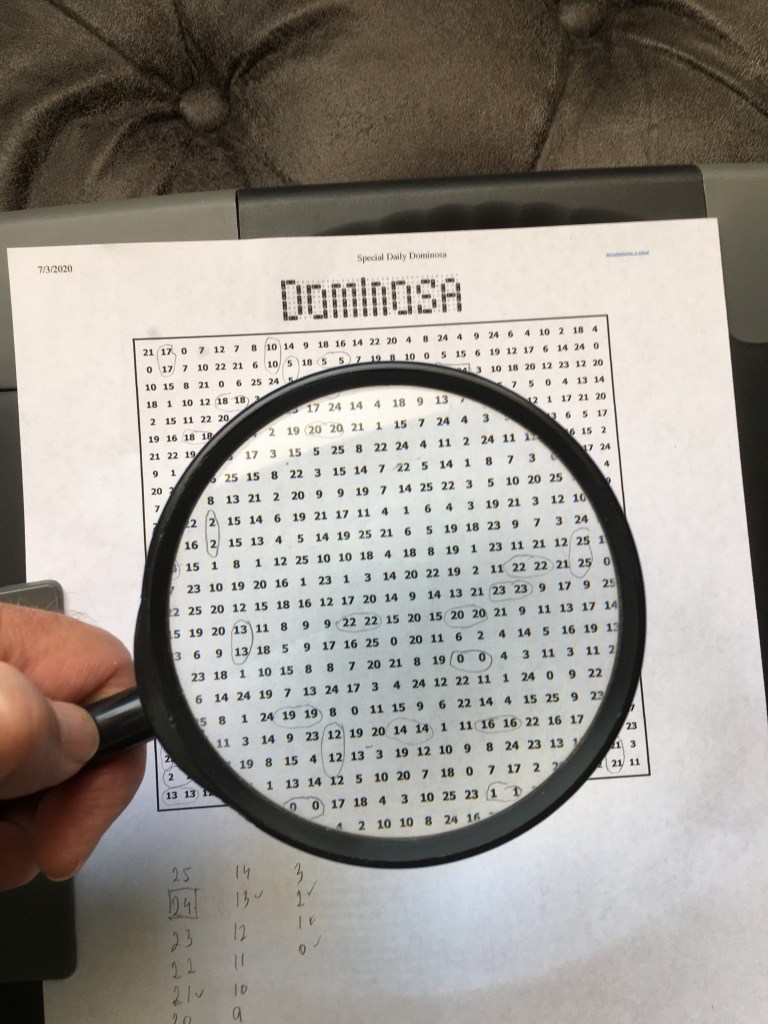
How do we start with huge puzzles ? You have learn how to scan the board efficiently. The way to do it is to look at the numbers in blocks 3×3 concentrating on the middle of it, since it is the number and possible connection with its neighbors. So, for example you are scanning for number 15. When you found it, move your eye to the left, right, up and down. But don’t worry, it will come automatically with practice. What to look for in next post.

Illustration of working with 3×3 blocks, 15 is the center, so stop and look around for possible connections

2…3…4

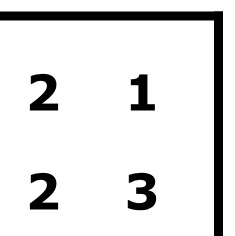
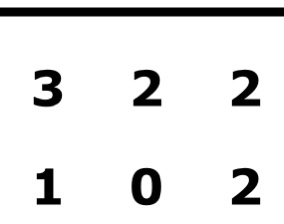
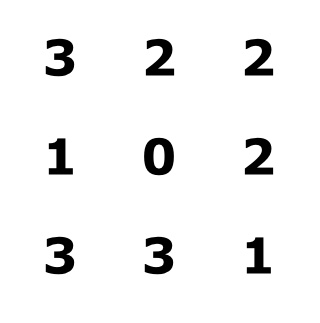
These digits stand for the numbers of ways they can join other digits to form a domino tile. 2 is for digit being in the corner of the playing field. 3 is for digit touching the border line of the field and 4 for digit in the middle of other digits. Look at the pictures below.

1 has only 2 ways to connect
Upper Middle 2 has only 3 ways to connect
0 has 4 ways yo connect

2…3…4 situation is for initial (β€œemptyβ€œ) board. Every discovered tile modify this for every digit that touches newly discovered tile.

Easy or Difficult ?

It all depends on the Size and Distribution of digits. Size 3×3 is fairly easy to solve, but sometimes Distribution of numbers makes it little more harder. When the Size grows, from sizes 4×4, 5×5, classic 6×6 to 25×25 for example, difficulties grow but mainly because of time needed to find correct place for tiles. We cannot categorize Dominosa similar to Sudoku, from Easy to Diabolic. I think that Dominosa is much more β€œdemocraticβ€œ puzzle than Sudoku (and many more so called Japanese puzzles like Kakuro). What I mean is that the distance between easy and hard puzzle is very small. More on this later.